|
Welcome to the RESPOND Project Newsletter ISSUE #4 $$PLAIN_TEXT_PREVIEW$$
|
In this newsletter, we happily announce the publication of our newest working papers on border management and the programme for our upcoming conference in October 2019.We are also sharing the call for refugee artists for our digital art exhibition, which will premiere in 2020 in Germany, Sweden and the UK and possibly more countries. Please distribute this call widely, and be sure to follow our social media accounts for updates about this and our other endeavors. Read on to learn more about RESPOND’s recent and future projects. |

|
The RESPOND-project has now reached half way of its project period and has produced more than 23 reports on governance policy and border management, mainly in WPs 1 and 2. WP 3 on protection is next in line. We are now in an intensive period of qualitative data coding of all material for the writing and analysis of the remaining country and comparative reports. With more than 700 in-depth interviews in 11 countries, we provide a “thick description” of the experiences of refugees, as well as highlight their agency. The refugee experience together with the stakeholder information gathered has increased the validity of our results. At the same time, to make the data open for other researchers, we are creating datasets based on the qualitative material. Both sets of data are anonymized to ensure the security of our research participants. There are several challenges to interdisciplinary and transnational scientific work. We have had to find a constructive balance for the data to be shared, determining how much sensitive information can be revealed, and at the same time providing enough material for meaningful analysis. We have successfully also continued with our Migration Governance Network (MGN), where we meet and discuss burning questions with stakeholders. One of the successful examples has been the MGN of our UNIFI partner. Both in Turkey and Sweden, we have started our survey study, which will give statistical data on most of the WP-themes of the RESPOND-project. During our bi-annual meeting, we continued discussing the project’s authorship policy, as well as our publication plan. RESPOND has an ambitious publication plan. The team members are planning publications based on conference presentations, thematic reports, and country reports, in the format of edited volumes and special journal issues. See for example one of our call for papers. RESPOND includes not only social science tasks, but also innovative channels to disseminate knowledge, among these our planned art exhibition, Kino-eye, and documentary, which are all in progress. |
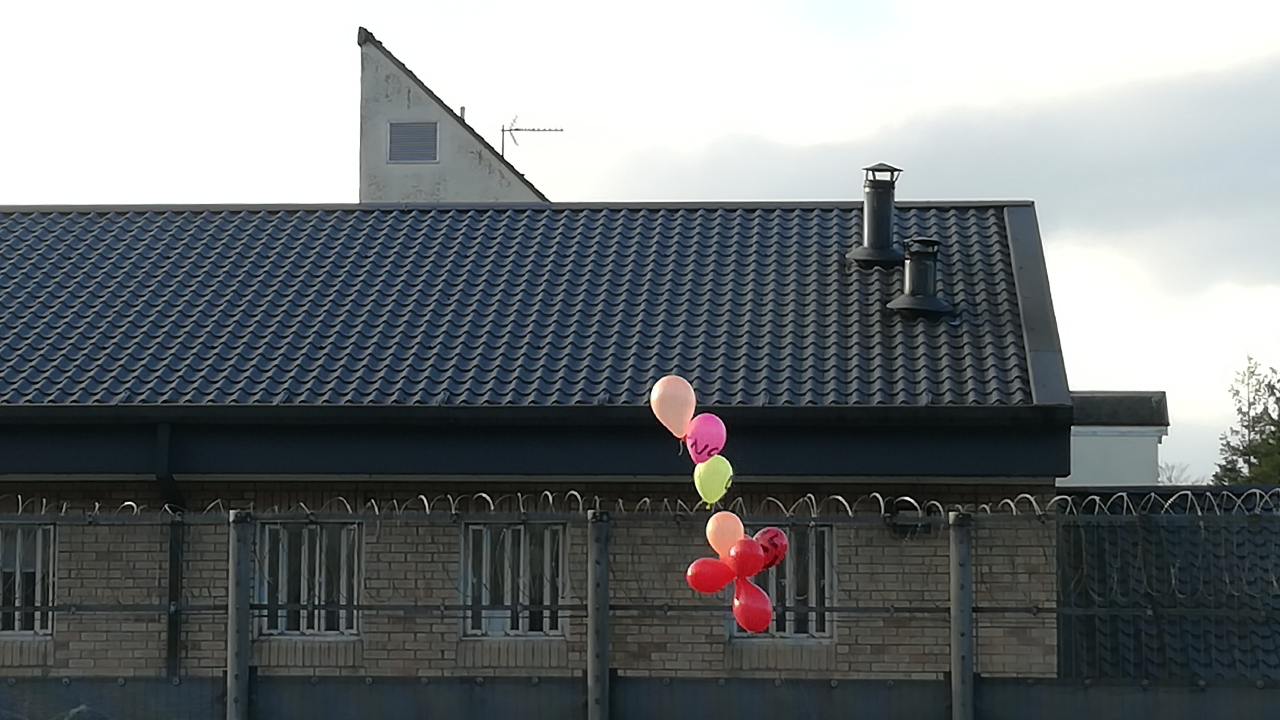
RESPOND is happy to share the most recent findings of our study of border management along the Eastern Mediterranean route.
|
We are pleased to share with you the PROGRAMME of our upcoming CONFERENCE at Cambridge University, October 17-19, 2019.
|
|

|
|
|
Researchers studying migration in different geographical regions will present their work on the themes of governance and integration. The conference is an opportunity for RESPOND partners to share their findings with researchers who are not affiliated with the project and to learn from others in order to generate new inter- and multi-disciplinary insights. Confirmed keynote speakers are Prof. Dawn Chatty (Emerita Professor of Anthropology and Forced Migration, Former director of the Oxford Refugee Studies Centre), Prof. Halina Grzymała-Moszczyńska (Profesor in Psychology of Religion, Jagiellonian University, Kraków), Prof. Mario Savino (Professor of Administrative Law, University of Tuscia, Viterbo, Italy) and Prof. Peter Scholten (Professor Public Administration specialised in the Dynamics of Migration and Diversity Policies, at the Erasmus University of Rotterdam). This event is not to be missed! If you plan to attend, please |
|
|
|
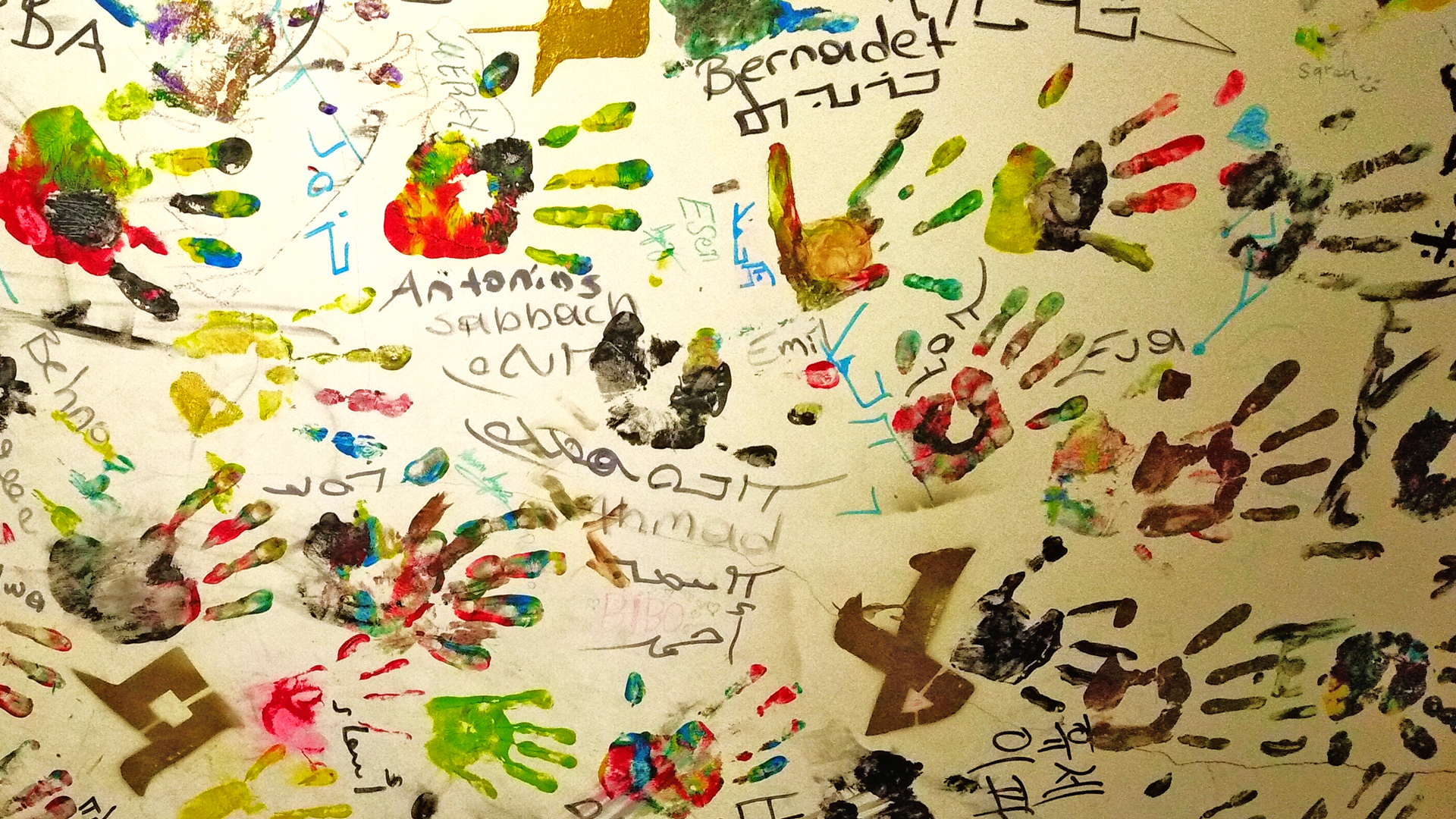
The RESPOND project welcomes applications for a digital art exhibition, which will be organised in Sweden, Germany and the UK. ‘Displaced Bodies and Hearts” aims to exhibit work dealing with the sufferings and hopes of people on the move due to forced displacement.
|
|
We as researchers working on different aspects of migration believe that migration is one of the most salient social phenomena of our times and that it needs to be understood from many different angles. Historically, art has always given powerful messages that might otherwise be overlooked. We therefore call on refugee and migrant artists to submit their artwork about forced displacement of people due to wars and violence in the broadest sense. Artwork may focus on any dimension of migration experiences, including border crossings, settlement, new lives elsewhere, challenges, or hopes and dreams. With this exhibition, we aim to foster humanitarian values, social inclusion and empathy in our societies. Most importantly we want to provide an opportunity to look at migration experiences from the perspective of refugee and migrant artists.
|
|
Application Deadline | OCTOBER 30, 2019
|
Sharing RESPOND Knowledge at the IMISCOE Annual Conference 2019
|
Some of the first findings of RESPOND were shared at one of the largest gatherings of migration researchers in Europe, the IMISCOE Annual Conference in Malmö, Sweden.Click image for the full abstract and paper abstracts.
|
Marking Refugee Week in Cambridge
|
|
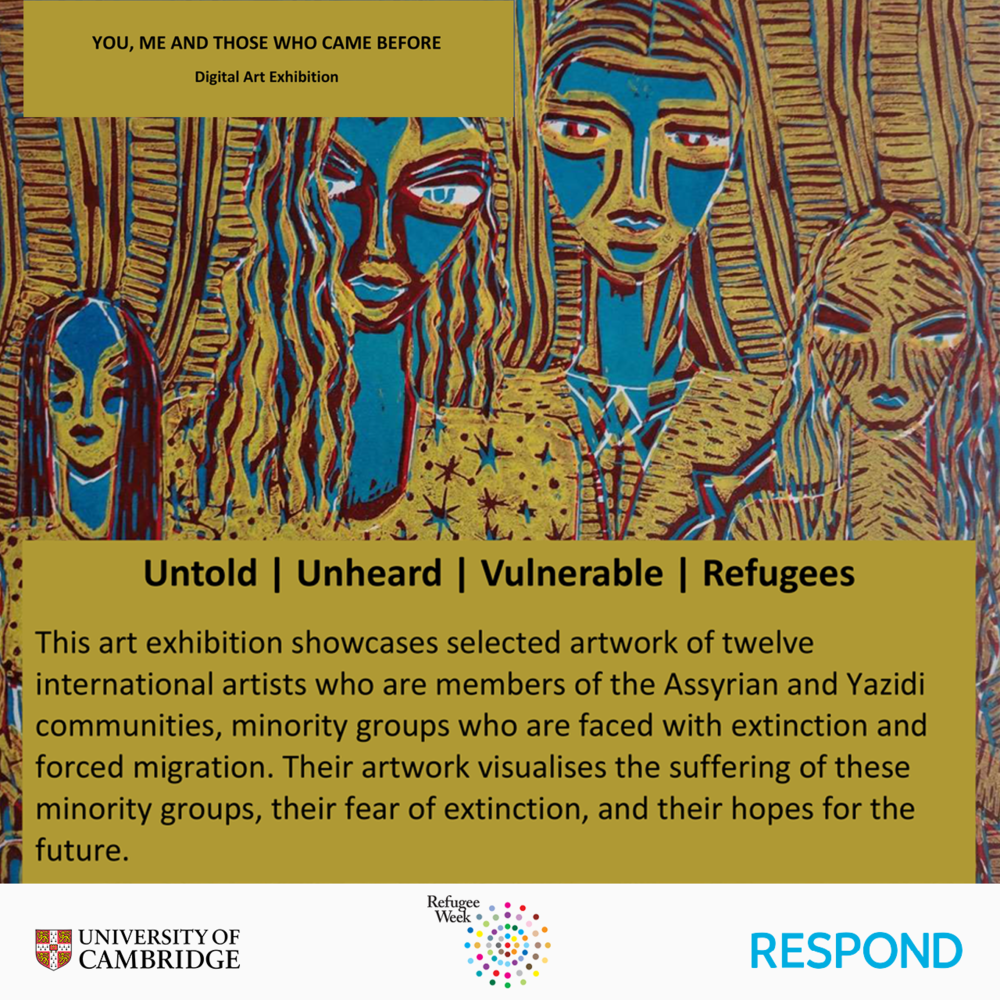
For Refugee Week 2019, the Cambridge RESPOND team organised in collaboration with the Centre for the Global Human Movement at the University of Cambridge the digital art exhibition Untold|Unheard|Vulnerable|Refugees.
|
|
|
|
|
The exhibition was based on an earlier exhibition hosted by the Museum of World Culture in Gothenburg, Sweden (May-December 2018) developed by Dr Naures Atto, Dr Onver Cetrez and Soner Barthoma. In addition to the artworks, Cambridge based PhDs and other researchers were invited to display posters about their migration related research. After the opening by Prof Loraine Gelsthorpe (director of the Centre for Global Human Movement, Faculty of Criminology) and an introduction by Dr Naures Atto (RESPOND Cambridge), the participants engaged with the organisers, the artworks and each other about the theme of the art exhibition, namely the suffering of people who have been forcibly displaced. The audience showed great interest in the work of Assyrian and Yazidi artists who made their artworks available for the exhibition. |
|
|
|
RESPOND team members at the University of Göttingen, Prof. Sabine Hess and Prof. Alexander K. Nagel have initiated a new project, called "StadLab" which is an exemplary implementation of migration governance networks in the local context.
|
|
The Lab forms a hub for exchange among scholars, professionals (administrators, teachers, politicians, social workers), NGOs (e.g. migrant self organizations and initiatives by and for refugees) and the general public. In that sense it is an institutionalized local migration governance network. The "Urban Lab" focuses on how local authorities and local initiatives have shaped and continue to shape migration, welcome and inclusion locally in Göttingen but also in Germany and Europe. Researchers from the Centre for Global Migration Studies (CeMig) at Göttingen campus and cultural practitioners from the boat people projekt, the Museum Friedland and the Literarisches Zentrum Göttingen e.V. have initiated this series of events in order to objectify the public-political debate that predominantly views migration as a problem. The aim is a scientifically founded dialogue that is empirically grounded on the basis of the experiences of civil society initiatives and artistically translated. It highlights local experiences and resources in a solution-oriented manner. From June to November 2019, a former pharmacy at Schildweg 1 will serve as a venue for events, where research results on municipal migration policy will be transferred to the city in various formats and, conversely, practical experiences from cities will be transferred into research. The "Urban Lab" is a meeting place for science, art and the public. It is a starting point for focusing on immigration and integration processes in Göttingen in a participatory and practice-oriented way. Read more: https://www.uni-goettingen.de/en/605068.html
|
|
Please submit a paper for this special issue on “Conflicting Europeanisation: Discourses, Identities and Audiences in the Making of Post-Crisis Europe,” which is related to RESPOND’s WP6. The special issue will be edited by James Foley and RESPOND-ERS Umut Korkut, Ivan Josipovic, and Ursula Reeger.
|
Conferences by other Horizon2020 projects
|
SIRIUS International Conference – "Integrating migrants, refugees and asylum seekers into European labour markets: enablers and barriers" (29-30 August 2019, Glasgow Caledonian University) CEASVAL Project Conference – "Refuge Europe – a question of solidarity? International conference at Chemnitz University of Technology, Germany, October 1-2, 2019
|
Recent RESPOND Project Blog Posts
|
|
|
Tue, Aug 20
Migration Policy and Politics in Poland
RESPOND Horizon2020
by Konrad Pędziwiatr | Centre of Migration Research, University of Warsaw In recent years Poland has become an increasingly attractive destination for immigrants amongst whom Ukrainians form the larges
|
|
|
|
Tue, Jul 23
LEAVING HOME: HOPES, BORDERS AND CHANGE
RESPOND Horizon2020
by Pınar Aksu | Glasgow Caledonian University Recently, I have carried out interviews for the RESPOND research in Glasgow, Scotland. It was an emotional, frustrating and hopeful process, with many of
|
|
|
|
Mon, Jul 22
Second Roundtable of the Italian Migration Governance Network
RESPOND Horizon2020
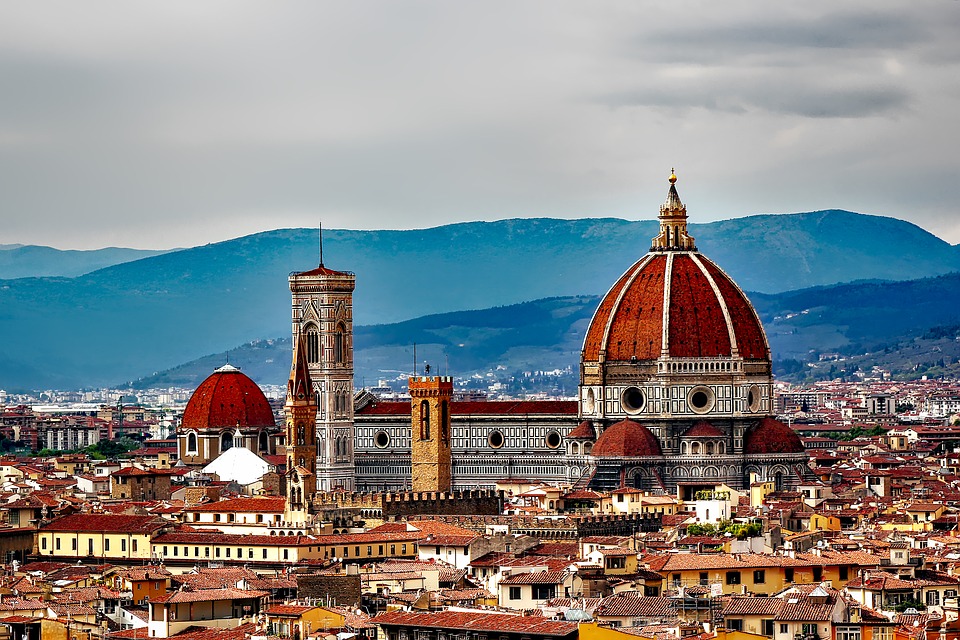
by Andrea Terlizzi & Mattia Collini | University of Florence The second RESPOND roundtable of the Italian Migration Governance Network was held on the 2nd of July at the University of Florence, eight
|
|
|
|
Mon, Jul 08
The need for a Stronger Integration Discourse in Turkey
RESPOND Horizon2020
by Prof. Ayhan Kaya | Bilgi University Turkey first introduced a Temporary Protection Directive for the refugees in 2014, based on Articles 61 to 95 of the Law on Foreigners and International Protectio
|
|
|
|
|
|
|
|
Fri, Jun 21
UNIFI Workshops and Seminar Series | Sirius & RESPOND researches
RESPOND Horizon2020
by Renato Ibrido | University of Florence Contemporary societies are unavoidably “multicultural societies”, which means that a number of diverse social groups – characterized by different values, tradi
|
|
|
|
Fri, May 31
Assessing Austrian Policy Reforms: Practitioners’ Points of View
RESPOND Horizon2020
by Ivan Josipovic & Ursula Reeger | Austrian Academy of Sciences As we discussed in our first blog entry, the summer of migration in 2015 left a considerable mark on Austrian politics and led to multip
|
|
|
|
|
Fri, May 24
The Italian Border Management And Control Regime Between 2011 And 2017
RESPOND Horizon2020
by Andrea Terlizzi | University of Florence The Italian approach to border management and migration control in the last few years can be defined as ‘schizophrenic’. There have been times of restri
|
|
|
|
Tue, May 21
Theorizing Hospitality and Integration: Preliminary Insights from Research with Syrian Women in Istanbul
RESPOND Horizon2020
by Dr. Susan Rottman | Özyeğin University “Eat more. I know you can eat more,” Dana urges with a smile as she serves me a second helping of sautéed green, mint-shaped leaves, soaked in lemon juice
|
|
|
|
Wed, May 15
Refugee Housing Policy and its Effects on the Lives of Asylum Seekers in Germany
RESPOND Horizon2020
by Dr. J. Eduardo Chemin Germany has been hailed for its “Refugee Welcome” culture and the efficient and organized manner in which it managed the 2015 migration crisis. One important aspect of receptio
|
|
|
|
Thu, May 02
An Intern’s Perspective
RESPOND Horizon2020
by Rebecca Emrick | UPPSALA University Upon starting the Euroculture program in the Fall 2017, I was always certain that I wanted to complete an internship for my third semester of studies. It wasn’t
|
|
|
|
Thu, May 02
Migration Diplomacy: Readmission Agreement and Turkey-EU Refugee Statement
RESPOND Horizon2020
by Prof. Ayhan Kaya | Bilgi University The Readmission Agreement (16 December 2013) and the Turkey-EU Refugee Statement (18 March 2016) were signed in a period in which many public discussions were
|
|
|
|
|
|
|
|