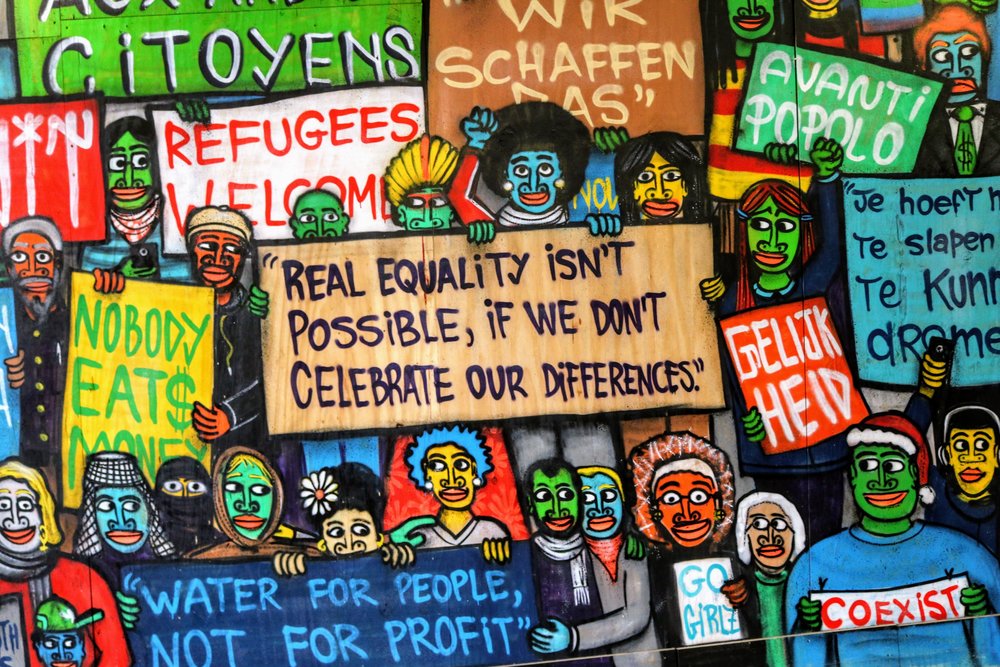
|
Welcome to the 3rd Newsletter of RESPOND!
Newsletter Issue 3 | February 2019
|
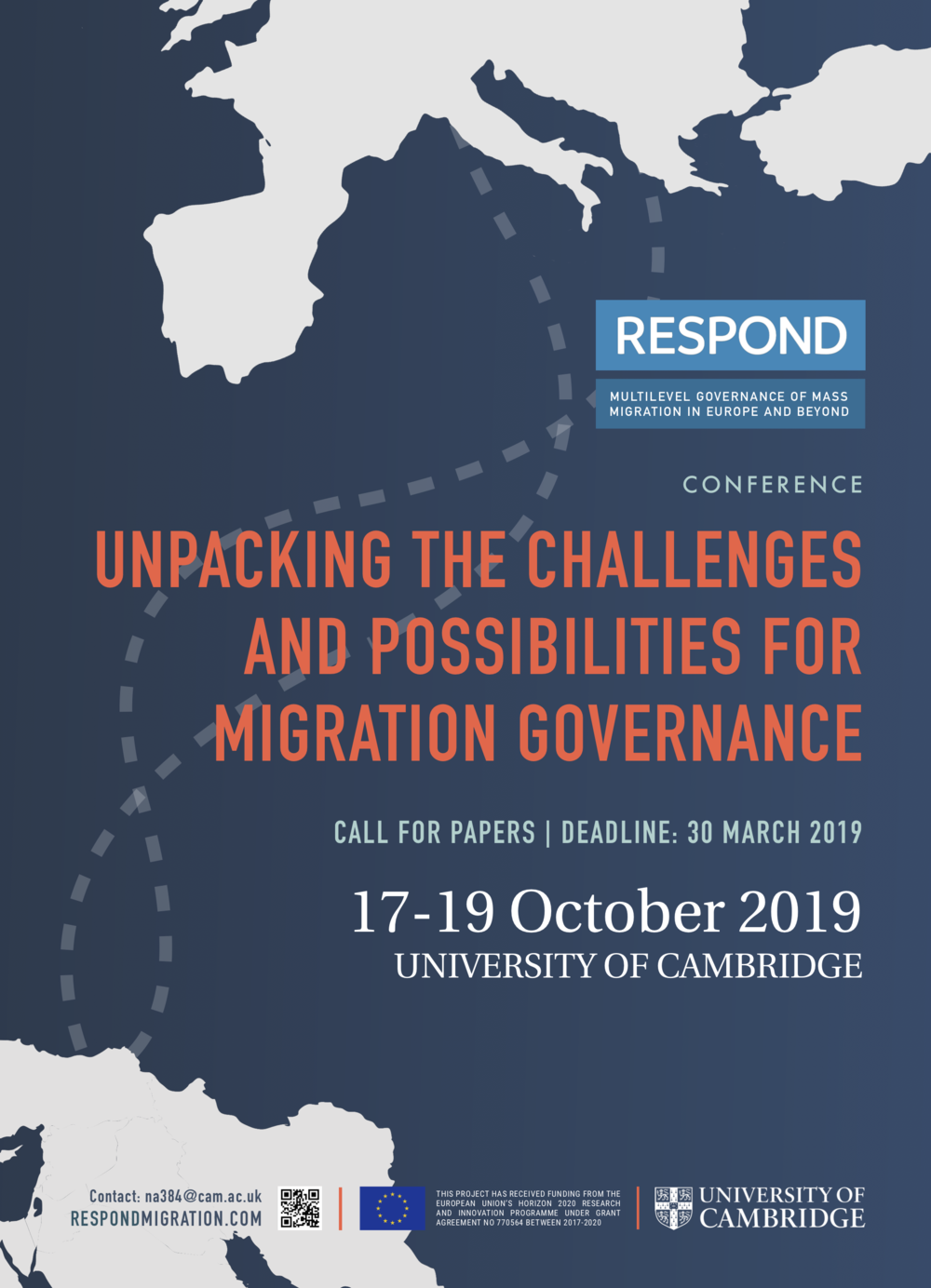
Welcome to the 3rd Newsletter of RESPOND! In this issue, you can learn about migration governance in Italy, Hungary, Greece, Poland, Turkey, the UK, Sweden and beyond. We also highlight innovative RESPOND projects such as the implementation of Advice Hubs for migrants and Migration Governance Networks for stakeholders. Finally, we encourage you to participate in our upcoming international conference at the University of Cambridge, October 17-19 2019, titled “Unpacking the Challenges and Possibilities for Migration Governance.” Please consider submitting an abstract by March 30 for one of 8 thematic panels on border management, refugee protection, reception, integration and conflicting Europeanization. Newsletter Contents:
|
Unpacking the Challenges and Possibilities for Migration GovernanceUniversity of Cambridge | October 17-19 2019The goal of this conference is to connect RESPOND researchers with the broader academic community studying forced migration to share findings and deepen cross-disciplinary collaboration. It is an opportunity to examine policy implementation and the structures, actors and processes relevant to forced migration, as well as the challenges and consequences posed by it. In addition to papers examining national, international and regional governance, we also welcome work with a micro focus on the perceptions of refugees about border, asylum, reception and integration policies. Confirmed keynote speakers include: Prof. Dawn Chatty (Emerita Professor of Anthropology and Forced Migration, Former director of the Oxford Refugee Studies Centre). Prof. Mario Savino (Professor of Administrative Law, University of Tuscia, Viterbo, Italy). Prof. Peter Scholten (Professor Public Administration specialised in the Dynamics of Migration and Diversity Policies, at the Erasmus University of Rotterdam).
Deadline for Abstract Submissions: March 30, 2019Please follow this link to read in detail about proposed conference panels and to submit your abstract.
|
RESPOND: Looking Back on the First year
|
|
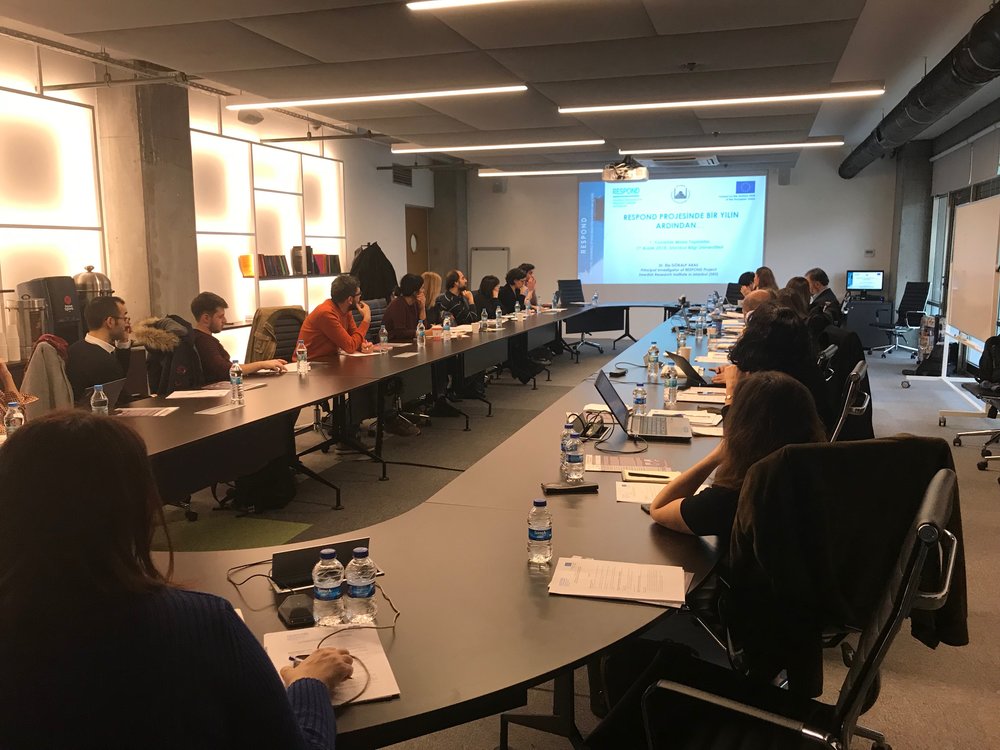
The RESPOND project has had an intensive initial year. Partners put an extraordinary effort in order to operationalise this complex and cross-country research. In the first period (month 1-6), partners focused on the project initiation and developed guidelines and heuristic tools for almost all aspects of this comprehensive research and ambitious impact activities. During the first phase, country teams also prepared their WP1 country reports and submitted their ethical applications to their national boards. In the second period (month 6-12), after the biannual meeting and training in Glasgow, fieldwork started and completed in all 11 countries; approximately 240 meso-level and 540 micro-level interviews were conducted. WP1 (Legal and policy framework of migration governance) submitted all their deliverables (13 reports and one dataset) and WP2 (Border Management) its first deliverable. In order to publicise the project deliverables, we have established a working paper series called “Global Migration: Consequences and Responses”. During the project’s first year, there have been notable impacts and progression in reaching out to targeted audiences. The first set of publications within the working paper series consisting of 15 reports, which has been downloaded more than 2,400 times, has the potential to be used as tools for developing practices in the fields of law, border management and policy. The social media accounts which have been created and the blog and newsletter which partners contribute to are also proving important in spreading awareness among the general public about the RESPOND project. Some partners have also appeared and been interviewed on TV, radio programmes, newspapers, magazines as well as publications.
|
|
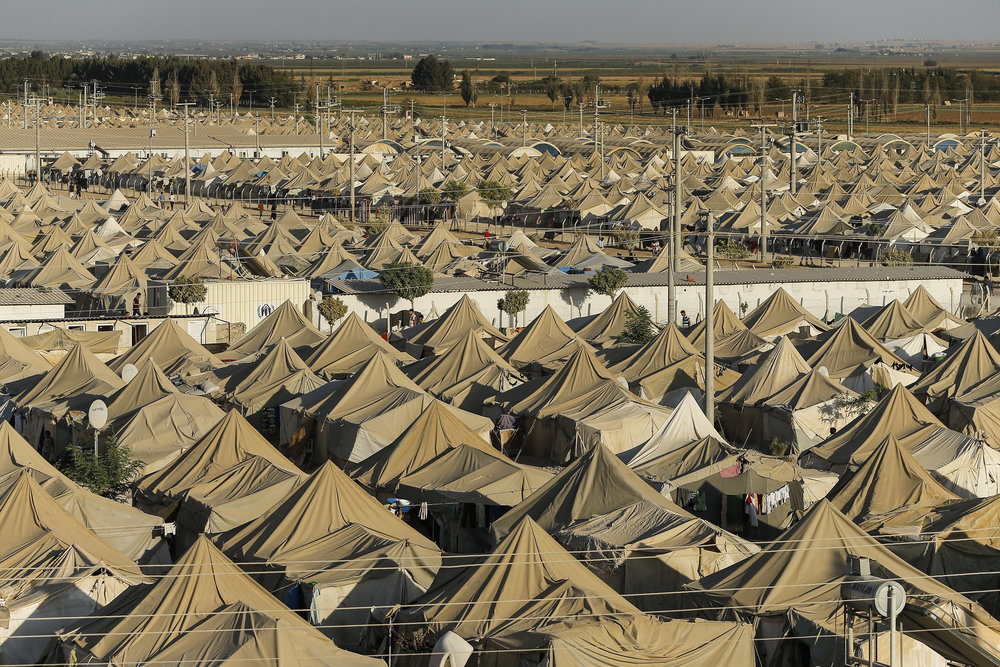
One of the aims of RESPOND is to enhance the migration governance capacity and policy coherence of the EU, its Member States and third countries by establishing migration governance networks in all the targeted countries that will bring all relevant governance actors (policymakers, policy implementers, national/local authorities, non-governmental actors, community organizations) together to set-up the needed communication channels between these actors and the scientific community both at national and international levels. The Consortium has managed to establish the local MGNs in different forms across all 11 countries. The model of MGN has been received positively by all communicated actors. Naturally, there will be some country differences both in the implementation of this model as well as its anticipated and unintended outcomes. The roundtables hosted by the RESPOND partners in 11 countries proved to be a necessary component in establishing and maintaining relations with stakeholders as well as providing the opportunity for fruitful discussions surrounding migration and any further issues. Participants from a variety of backgrounds and institutions fostered a diverse and beneficial dialogue focusing on the themes of the Work Packages. A number of important issues unfolded throughout many of the roundtables and provided further insight to the respective RESPOND teams. Partners from the consortium were able to establish foundations of MGN within their countries and spheres of influence. This was possible because of kick-off events, roundtables, seminars, as well as various forms of communication ranging from social media to emails, to fliers being displayed. This foundation of MGN throughout the consortium, as reflected in multiple reports by partners, will lead to a fruitful and cooperative relationship among the MGN actors, including the research teams within the RESPOND project. Based on this foundation, the work for MGNs will intensify more in the upcoming project years and may turn into a successful model for the governance of migration and integration. The refugees involved in the field work are also important actors. Advice Hubs have been created with and for refugees in two transit countries Turkey and Iraq, in order to address their needs and bring their voices into the policy arena. It can be stated with confidence that refugees have a voice in the RESPOND project, and just as this research will impact their lives, they, in turn, will shape the concepts and policies emerging from the research.
|
|
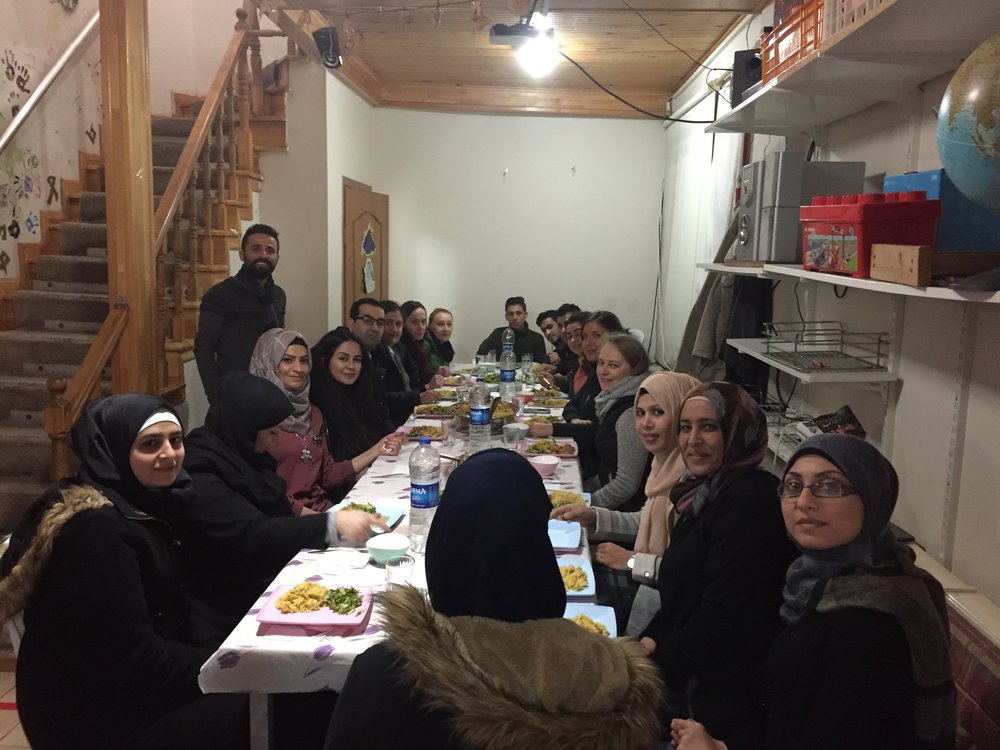
Within the framework of RESPOND, two advice hubs have started their activities in Turkey and Iraq starting on December 1, 2018. This model is developed in these two transit countries with the aim of providing legal and practical advice to refugees in transit conditions. To learn more, please click the below links:
|

|
|
Jan 23, 2019
An Intern's Perspective - Jonas Begemann
“When I moved to Uppsala about one year ago, I could not foresee that my studies would turn towards migration studies soon and that I would be involved in a project of the size of RESPOND…” |

|
|
Jan 12, 2019
A Tale of Two Cities: From Aleppo to Istanbul
A vulnerability assessment study of Syrians in Istanbul that was conducted under my supervision by the Support to Life Association in 2016 found that around 87 percent of Syrians in Istanbul originated from the province of Aleppo, while only a small minority of 7.2 per cent came from Damascus. The ratio has not changed much since then. Many of our interlocutors that we interviewed in Istanbul in the summer of 2018 were also of Aleppo origin… |

|
|
Jan 03, 2019
RESPOND PROJECT’S “ADVICE HUB” IN TURKEY: QNUSHYO
The 2015 Refugee crisis has been one of the most critical challenges the European Union has faced in the past decades. The crisis has revealed a number of criticalities, both at the level of the EU and at the level of member states, which determined severe deficiencies in the migration governance system… |

|
|
Jan 03, 2019
RESPONDing Migration: Common trends in Migration Governance in Europe and Beyond
The 2015 Refugee crisis has been one of the most critical challenges the European Union has faced in the past decades. The crisis has revealed a number of criticalities, both at the level of the EU and at the level of member states, which determined severe deficiencies in the migration governance system… |
|
|
Dec 22, 2018
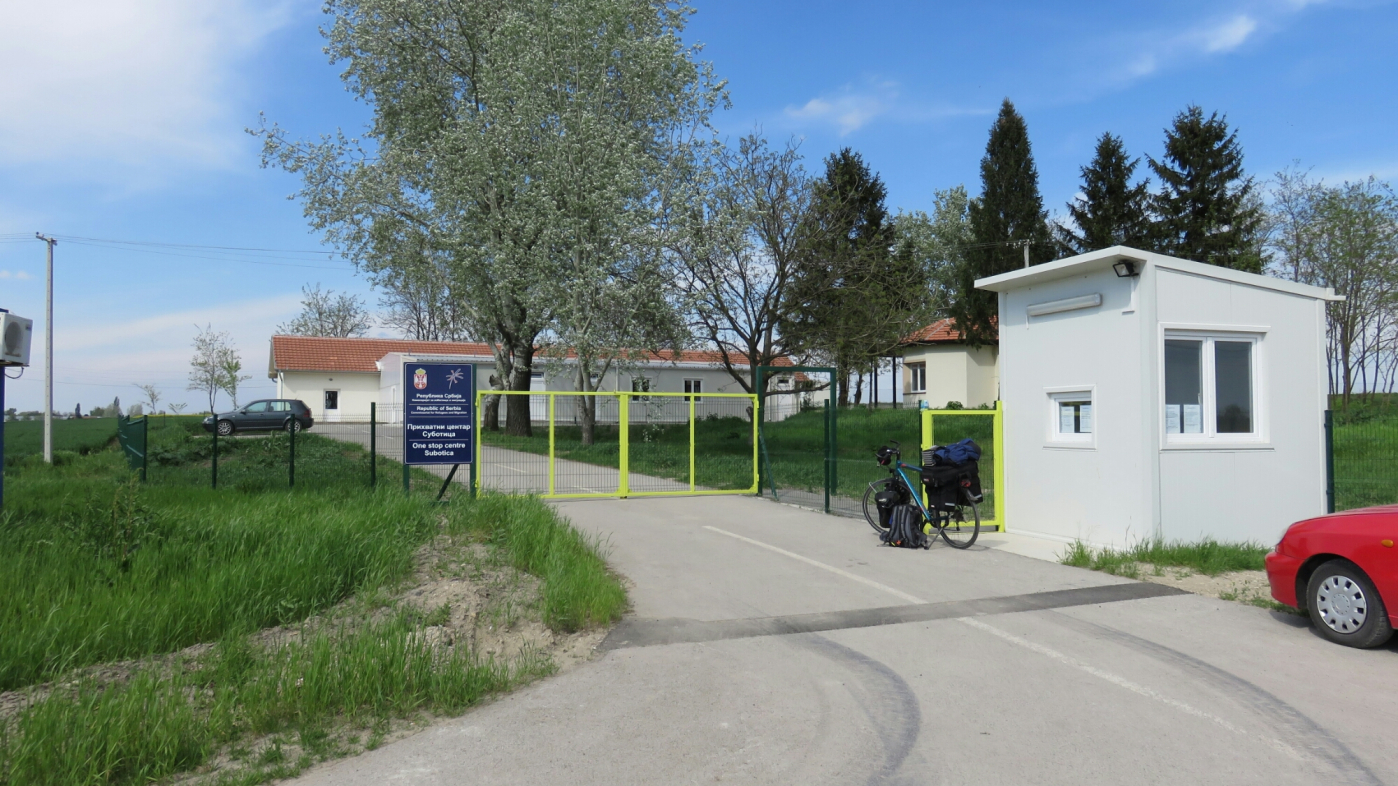
A Visit to Hungarian-Serbian Border to See the Subotica Reception Centre for Refugees
During our visit in early December, we met families mainly from Afghanistan, some from Iraq and Iran. The Centre is relatively small, only takes up asylum seekers wishing to enter the EU through the Hungarian transit zones at Röszke and Tompa border crossings, approximately 35 and 17 km from Subotica respectively… |

|
|
Nov 29, 2018
How are Syrian Families in Turkey Affected by Legal Regimes? Preliminary Insights from Fieldwork in Istanbul
Many studies have described the legal regulations governing Turkey’s Syrians. The effect of these regulations on migrant families has received less attention, and yet during summer field work in 2018, respondents repeatedly highlighted the difficulties that they faced due to regulations preventing mobility… |

|
|
Nov 22, 2018
“Voluntary” Returns: Examining the Organised Returns of Syrian Refugees from Lebanon
Over the past year, returns of Syrian refugees from Lebanon have risen steadily. Of the nearly 1 million UN-registered Syrian refugees in Lebanon (a further 500,000 are estimated to be in the country informally), around 20,000 are reported to have returned. Every month, hundreds make the journey to Syria via one of the 5 official border crossings… |
|
|
Mon, Nov 19
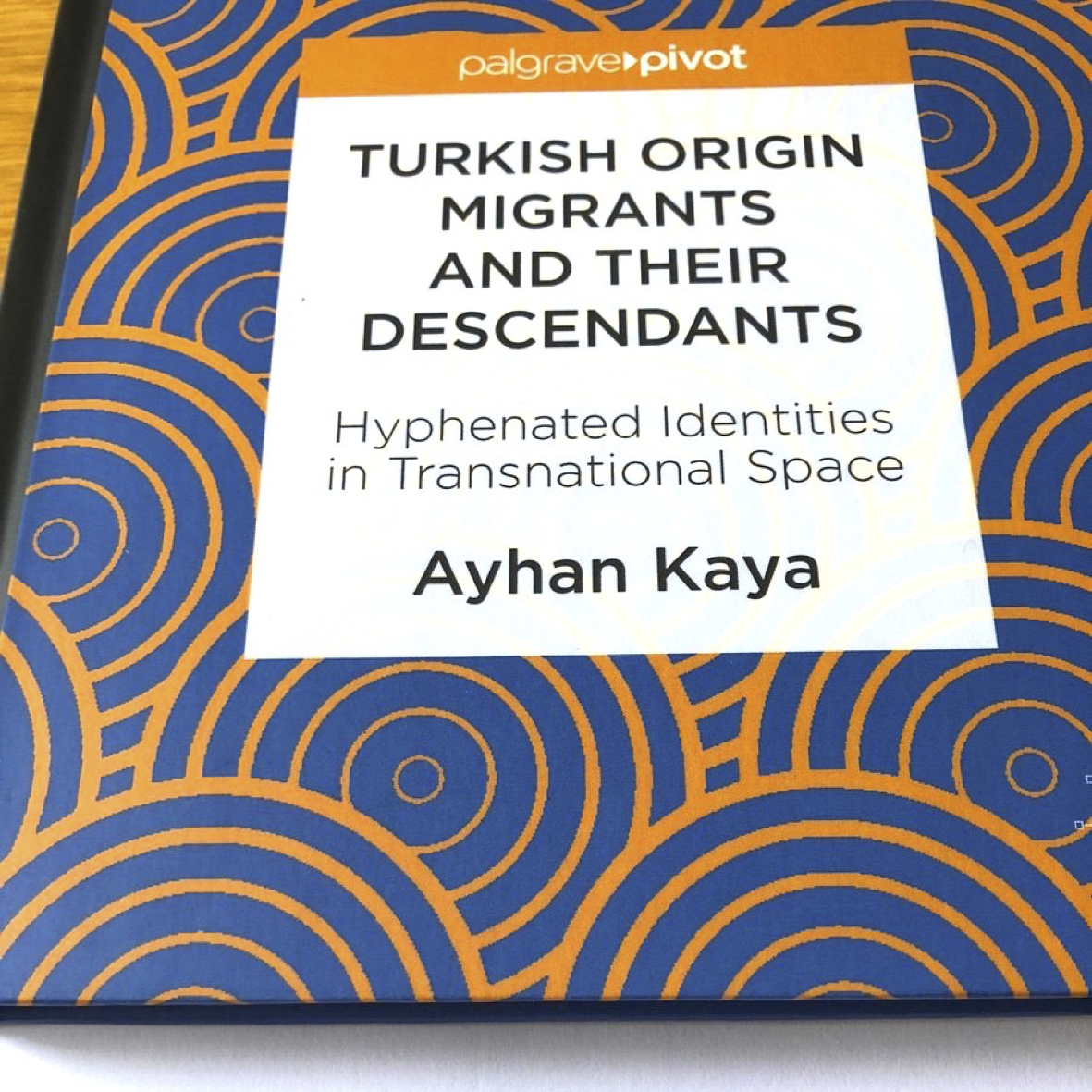
RESPONDers Reviews: Ayhan Kaya's 'Turkish Origin Migrants and Their Descendants'
In his recent publication "Turkish Origin Migrants and Their Descendants", Ayhan Kaya proposes an interesting approach to the phenomenon of migration in the context of a transnational space constructed by immigrants of Turkish descent and their descendants who manoeuvre between the countries of settlement and origin… |

|
|
Tue, Nov 13
Spotlight on RESPOND-ers: Ursula Reeger and Ivan Josipovic
The Austrian team of the RESPOND project is located at the Institute for Urban and Regional Research (ISR) of the Austrian Academy of Sciences. In this blog entry, we intend to tell a little bit more about the institution and its tasks and aims, the persons involved in the project, and how RESPOND evolved from our point of view. |
|
|
Mon, Nov 12
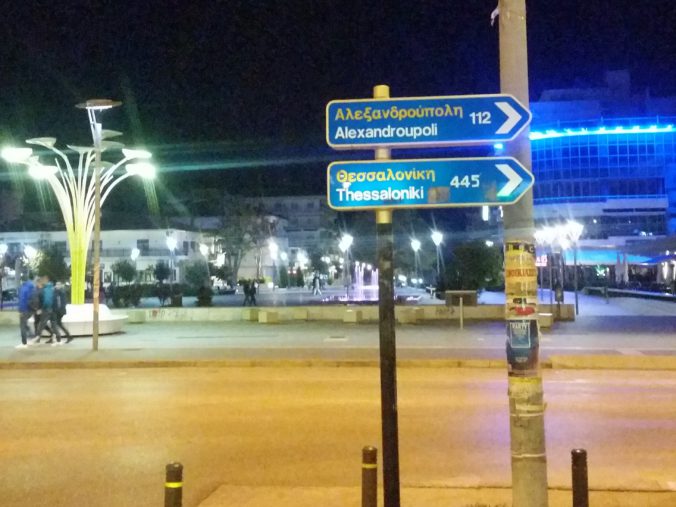
A Field Trip to North Evros
On our way from Orestiada to Alexandroupoli – the two largest urban centres in the border region of Evros, Greece – a young migrant, holding some Euro notes in his hand, tried to board the public bus we were travelling on. The conductor refused him: ‘Police. Papers. Then travel!’, he said in English… |
|
|
Fri, Nov 09
RESPOND Sweden - What’s Next?
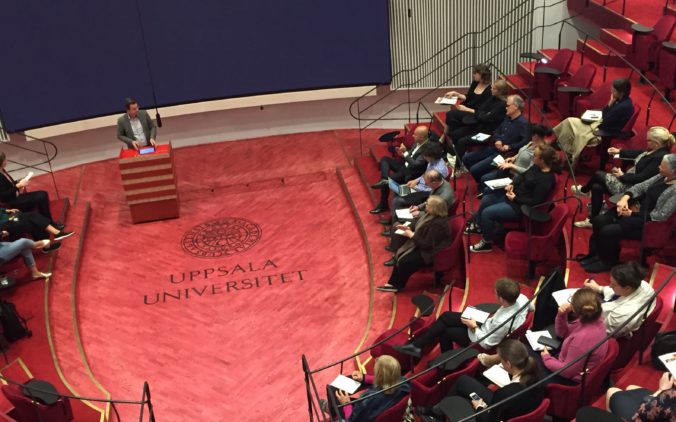
After much anticipation and excitement, the kick-off of the Migration Governance Network (MGN) in Sweden came and left… |

|
|
Wed, Nov 07
Poland - Legal and Policy Framework of Migration Governance (a Brief Summary/Few Remarks)
The development of Poland’s migration and asylum policies and laws date back to 1989 when political and socio-economic transformations began. At this time, the whole region of Central and Eastern Europe (CEE) experienced important changes… |

|
|
Fri, Oct 19
Governing Migration in Italy: The Legal and Policy Framework (and Its Pitfalls)
In the last few decades, Italy — traditionally an emigration country — has gradually turned (also) into an immigration country. Since 2014, Italy is receiving the highest number of non-EU citizens looking for… |

|
|
Wed, Sep 19
The UK’s ailing asylum seeker dispersal policy: Where to from here?
The Policy There has been much criticism of the UK’s asylum seeker dispersal policy. Introduced as part of the Immigration and Asylum Act 1999, the objective of the policy is to redistribute asylum seekers receiving state support around the UK to prevent their… |

|
|
Wed, Sep 19
RESPOND in Turkey: Reflections on Migrant Framing, Fieldwork and Hope
Discursive Frames of Aliens in Turkey: “Migrants”, “Guests”, and “Foreigners” By Ayhan Kaya (Istanbul Bilgi University, European Institute). The current state of Syrians residing in Turkey is mainly constrained by the ways in which the Turkish state actors have so far framed them… |
Recent RESPONDer Publications and New Projects
|
|
PUBLICATIONS Ahmadi, F., Erbil, P., Ahmadi, N., & Cetrez, Ö (2018). Religion, Culture and Meaning-Making Coping: A Study Among Cancer Patients in Turkey. Journal of Religion and Health, 1-10. DOI: 10.1007/s10943-018-0646-7. Ayhan Kaya and Ayşe Tecmen (2018). Interactive e-book titled "Education, Heritage and Identities in Europe: Understanding Europe’s current predicaments" https://eu.bilgi.edu.tr/en/news/cohere-wp5-interaktif-e-kitap/ Ayhan Kaya (2019). “Populism as a neo-liberal form of governmentality: resorting to heritage, culture and past,” Lia Galani, Evangelia Mavrigaki and Kostas Skordulis (eds.), Geographical Literacy and European Heritage: A Challenging Convention in the field of Education. Limassol: Solva-tech: 64-94 available at http://www.solvatech.com.cy/books/ebook_COHERE_ipad_2018.pdf PROJECTS Migration Study Week Beirut, Lebanon run by RESPOND Partner, Lebanon Support. Date: August 2019. Application deadline: 10 March 2019. Click Here for Application Details. RESPOND PI, Ayhan Kaya, has a new ERC Grant: AdG 2017 "Nativism, Islamophobism and Islamism in the Age of Populism: Culturalisation and Religionisation of what is Social, Economic and Political in Europe"
|
Sign-up to our mailing list to keep updated on everything new from RESPOND
|

|
RESPOND has received funding from the European Union Horizon 2020 Research and Innovation Programme for the period 2017-2020 under Grant Agreement No [770564]. |
|
|
|
|